Apply Now

Department

Overview

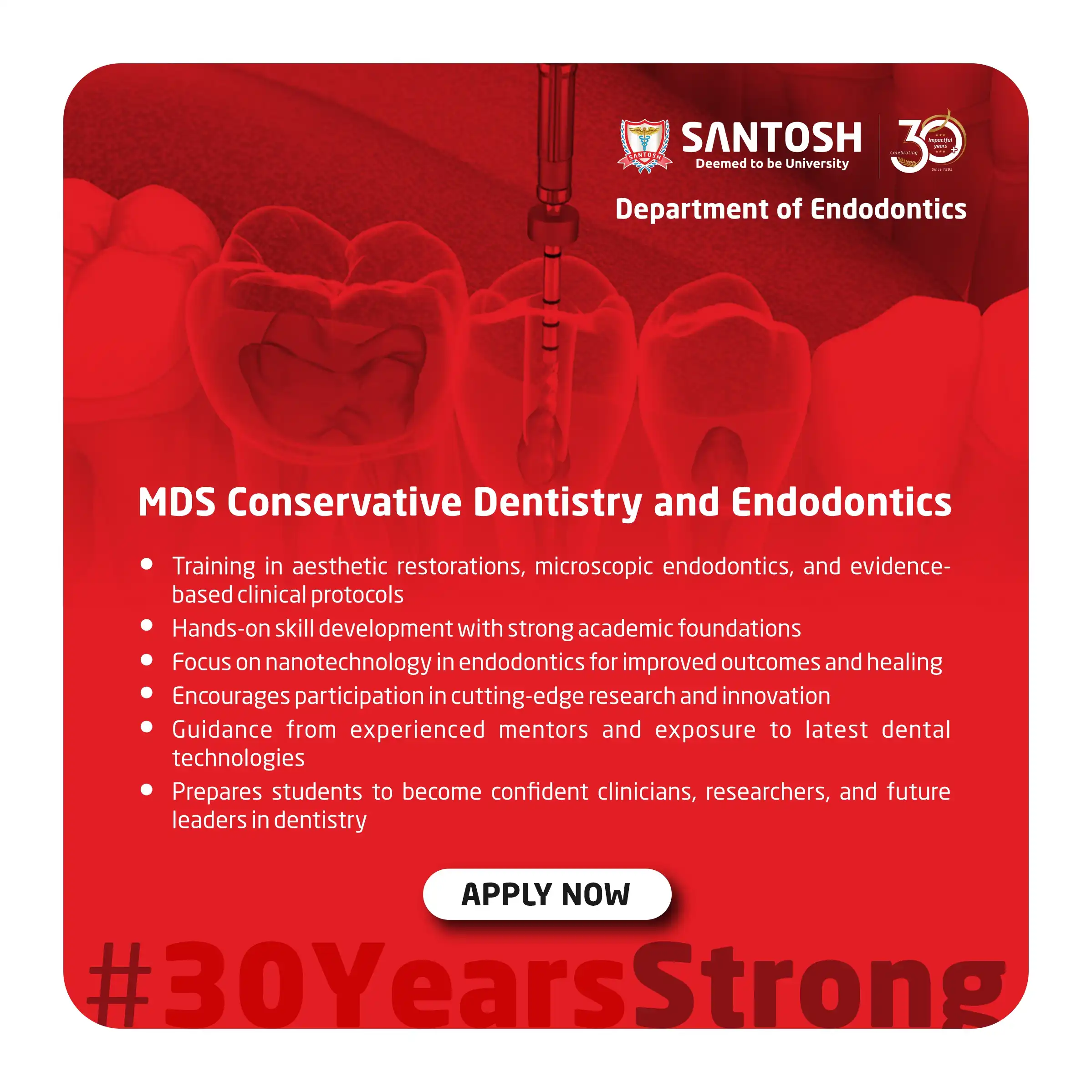
The Department of Conservative Dentistry & Endodontics was founded in 1995 for undergraduate students and in 2005 for postgraduates. It focuses on the diagnosis and conservative management of teeth. This specialty involves restoring decayed teeth at various stages, including aesthetic restorations, pulp space therapy, post and core procedures, veneers, bleaching and endodontic surgeries. For postgraduates, the intake began with 2 seats in 2005 and increased to 5 in 2021. Department has received DCI recognition of MDS 5 SEATS IN 2025. Department has also started PhD in 2025.

The  Department is equipped with state-of-the-art tools and technology to provide the highest standard of care in restorative and preventive dental treatments. Our clinic features advanced dental microscopes, allowing for exceptional precision and clarity during procedures such as root canals, fillings and restorations. These microscopes enable our students to perform intricate treatments with enhanced accuracy, ensuring optimal outcomes for patients. In addition to the microscopes, we utilize digital radiography for clear, detailed imaging, advanced dental handpieces for efficient treatment and high-quality restorative materials that closely resemble natural teeth. The department also features laser technology for minimally invasive procedures and modern sterilization systems to maintain top-tier hygiene and safety standards.

The department is equipped with 34 dental chair units for undergraduate students, 15 dental chairs for postgraduate students and a specialized clinic with 4 dental chairs, each equipped with four Labomed advanced microscopes. Additionally, the department has 3 X-ray units with RVG and a well-equipped laboratory. The department also boasts a well-stocked library, featuring more than 40 books covering a wide range of dental topics. This resource-rich library provides students and faculty with access to essential reading materials, research publications, and reference books, supporting both undergraduate and postgraduate education.

We prioritize innovative teaching techniques such as mind mapping, infographics and OSCE-OSPE assessments. Our mentor-mentee program, with a 1:10 ratio, ensures personalized guidance, supported by regular e-communication with parents.

Research is a key focus in our department with an emphasis on research methodology for interns and the publication of systematic reviews and meta-analyses. The department has also produced 12 books and 80 Plus publication as a result of postgraduate research.

In line with our dedication to community service, we have provided care to up to 69% of rural patients through outreach camps from 2017 to 2026. To date, 36 postgraduate students have successfully completed our program till 2025. 
 

Vision Mission

Vision:

  • To be a globally acclaimed department recognized for excellence in dental education, scientific research and patient care, as well as contributing to society by delivering outstanding and ethical healthcare services.

Mission:

  • To contribute professionally competent dental personnel to meet national and global healthcare needs 
  • To inculcate the habits of discipline, dedication and devotion in students, developing them into elite healthcare professionals with research acumen 
  • To encourage students to cultivate a temperament of innovation, scientific inquiry, critical thinking and evidence-based decision-making 

HOD

Qualifications: BDS & MDS 
Work Experience: 16+ Years of Teaching Experience 

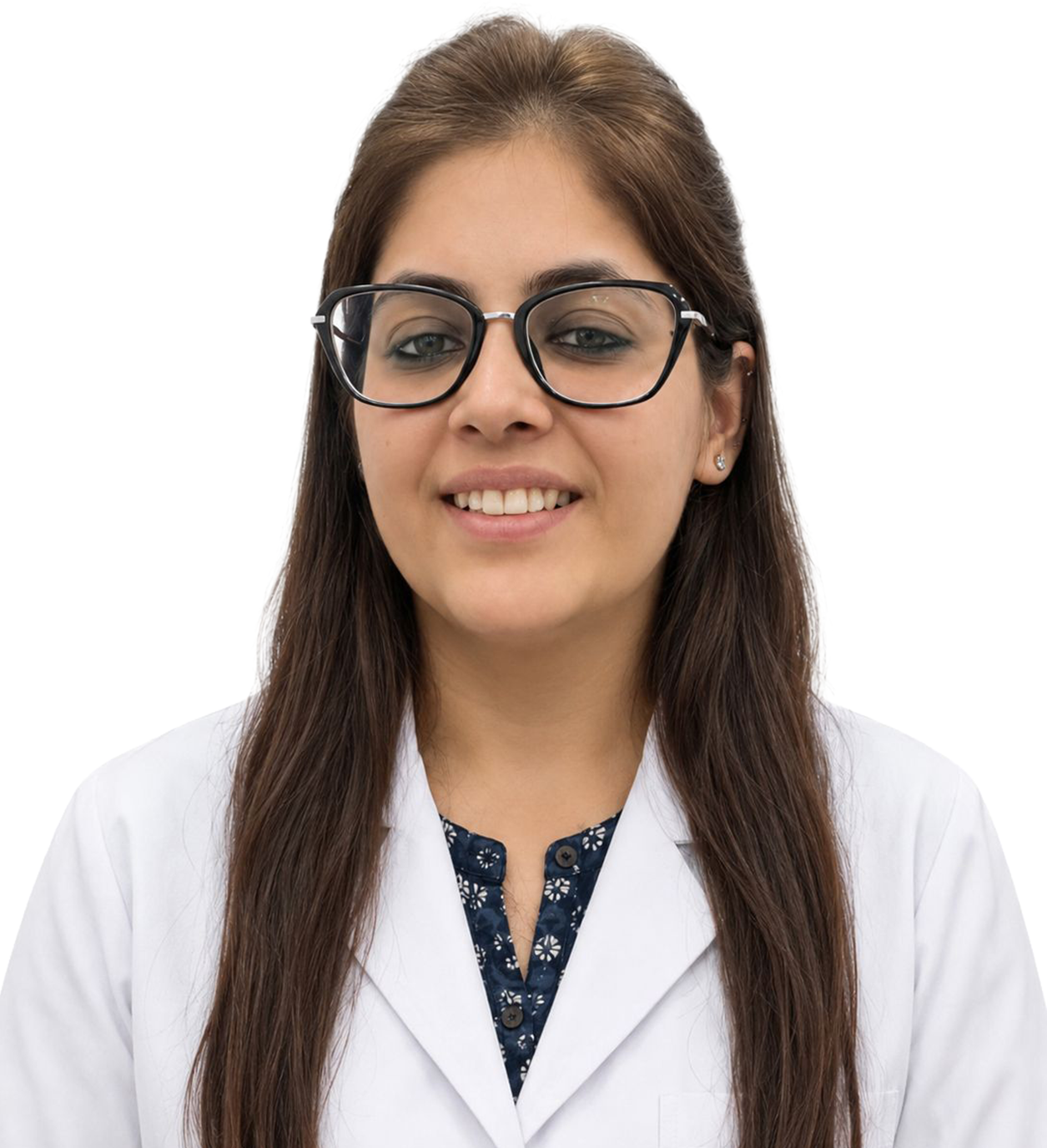
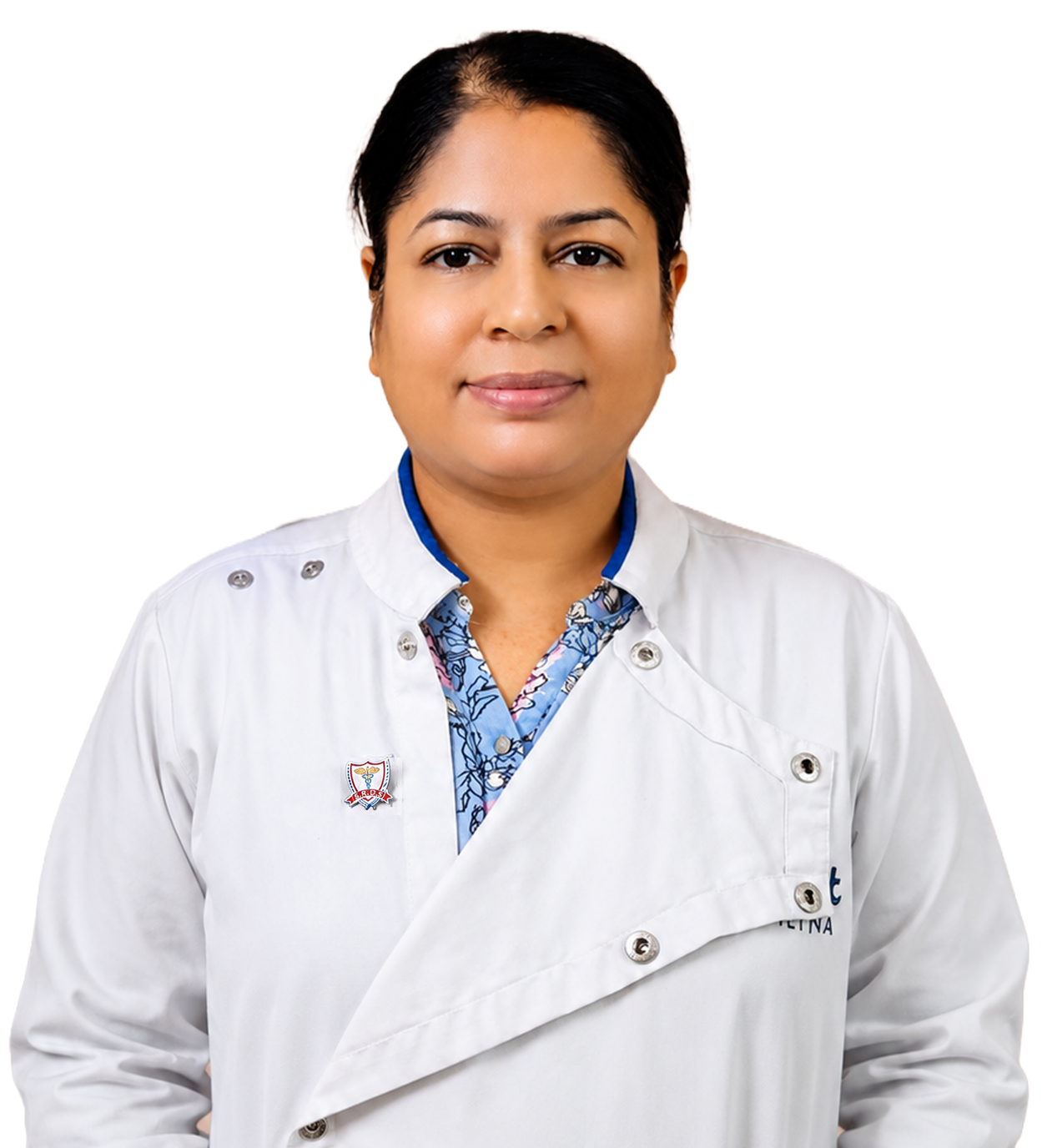
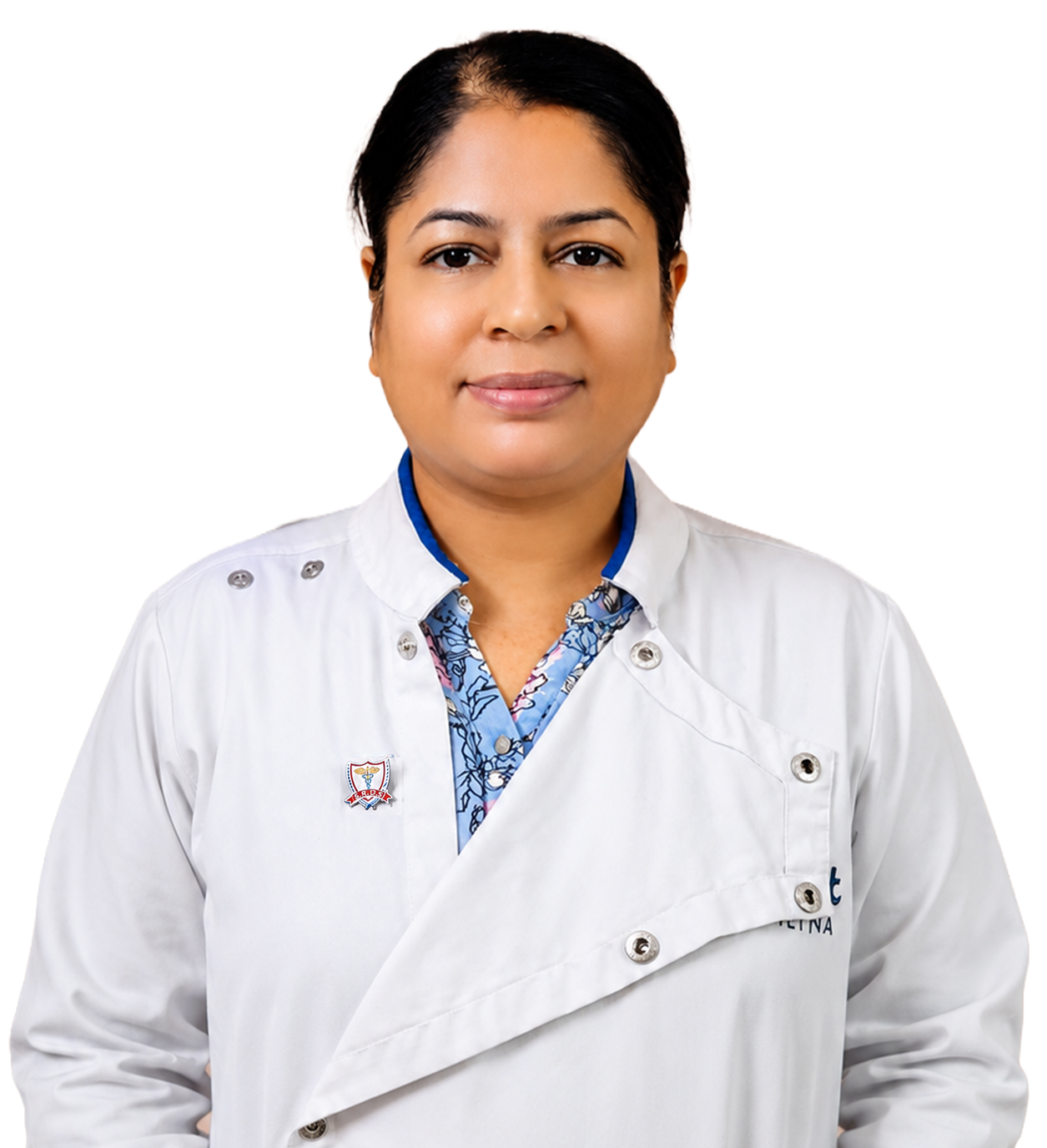
Dr. Chetna Arora is Professor & Head of the Department of Conservative Dentistry and Endodontics at Santosh Dental College, Ghaziabad. She completed her Bachelor of Dental Surgery (BDS) and Master of Dental Surgery (MDS) from Banaras Hindu University. With over 17 years of academic and clinical experience, she has served at reputed institutions including Swami Devi Dayal Dental College, MM Dental College, and Universal College of Medical Sciences, Nepal. She joined Santosh Dental College in 2020.

Dr. Arora has an impressive academic profile with 35+ peer-reviewed publications, 15+ books and book chapters and active involvement in research projects as Principal Investigator and Co-Principal Investigator. She has also contributed to innovation through multiple patents and copyrights registered with the Government of India, including developments such as a mouth mirror with tongue guard and portable alginate mixing device. In addition, she has held important administrative and academic roles including NAAC Coordinator, NABH Coordinator, Research Coordinator and PhD Guide, reflecting her commitment to institutional excellence and academic growth.

Her areas of specialization include single-sitting root canal treatments, non-surgical management of periapical lesions, aesthetic dentistry, rotary endodontics and micro dentistry. She actively participates in national and international conferences, workshops and academic forums and has received several awards for her contributions to academics and society. Her dedication to teaching, research and patient care continues to drive her pursuit of excellence in endodontics.

Areas of Expertise: 

  • Root Canal Treatment
  • Esthetic Restorations (Direct & Indirect Veneering)
  • Non-Surgical Management of Periapical Lesions
  • Micro Endodontics

Recognitions: 

  • Fellowship in Tobacco Cessation – Bajaj Foundation (2024)
  • Certificate of Recognition – Santosh Deemed to be University (2022)
  • Copyright for “Self Evaluation Index for Root Canal Treatment” – Ministry of Copyright (2022)
  • Excellence in Teaching in Higher Education Award – DK International Research Foundation (2021)
  • Copyright for “CASS Treatment Satisfaction Index” – Ministry of Copyright (2021)
  • Certificate of Recognition – IDA Bihar State Conference, Purnea (2018)
  • Served as External Examiner for BDS and MDS examinations at various dental colleges
  • Organized and conducted multiple conferences and workshops for undergraduate and postgraduate academic programs
Thrust Areas

  • Nanotechnology in Endodontics
    Nanotechnology in endodontics enhances root canal treatment by utilizing nanoparticles and nanomaterials that provide superior antibacterial activity, improved sealing ability, and enhanced tissue regeneration. Nanoparticles such as silver nanoparticles, bioactive nanomaterials and nano-hydroxyapatite help in effective disinfection of complex root canal systems and promote healing of periapical tissues. This emerging field has significant potential to improve the success rate, biocompatibility and long-term outcomes of endodontic therapy.
  • Digital and Microscopic Endodontics
    Digital and microscopic endodontics integrates advanced technologies such as CBCT imaging, dental operating microscopes, rotary instrumentation, and digital treatment planning to enhance the precision and success of endodontic procedures. These technologies improve diagnosis, canal localization, disinfection and management of complex root canal anatomy. The incorporation of digital tools has significantly improved clinical outcomes, treatment efficiency and patient care in modern endodontic practice.

  • Esthetic Restorative Dentistry
    Esthetic restorative dentistry aims to restore the natural appearance and function of teeth using tooth-colored restorative materials and advanced cosmetic procedures. Recent developments in composite resins, ceramic restorations and adhesive techniques have improved durability and esthetics. This area continues to grow with increasing patient demand for minimally invasive and highly esthetic dental treatments.

Team

Facilities

The Department is equipped with advanced infrastructure and modern clinical facilities to enhance both patient care and student training. It houses a speciality clinic with four Labomed operating microscopes that improve precision and accuracy in restorative and endodontic procedures. The state-of-the-art simulation laboratory provides students with hands-on pre-clinical training using advanced simulation units and teaching aids, helping them develop clinical skills in a controlled environment. The department also features a well-equipped casting laboratory with the latest technologies for precision laboratory procedures and prosthetic fabrication. In addition, a dedicated special clinic for in-office bleaching offers contemporary aesthetic dental treatments using advanced whitening systems, thereby promoting excellence in cosmetic dentistry and patient satisfaction.


Types of Treatment offered

  • Composite and Glass Ionomer Restorations
  • Micro endodontics 
  • Esthetic Restorations and Smile Designing 
  • In-Office Bleaching / Teeth Whitening 
  • Veneers and Cosmetic Dental Procedures 
  • Root Canal Treatment (Single Visit and Multi Visit) 
  • Rotary and Microscopic Endodontic Procedures 
  • Retreatment of Failed Root Canal Cases 
  • Post and Core Restorations 
  • Management of Traumatic Dental Injuries 
  • Endodontic Surgeries (Apicoectomy)

Research

 • Total Publications: 80+
 • Indexed with Scopus/WOS/PubMed: 30+
 • Copyrights filed: 2
 • Patents Published: 3
 • Awards/ Recognitions received at the National Level by students: 25+ for Innovation & Research 
 • 1 ICMR STS Grant for the year 2025 
 • 1 ICMR MDS thesis Grant for the year 2025

Awards / Recognitions received by faculties: 6

Events

  • Continuing Dental Education (CDE) Programs & Workshops: The department regularly organizes Continuing Dental Education (CDE) programs on Research methodology, Veneers, Magnification etc, hands-on workshops, and academic sessions to promote continuous learning and skill enhancement among students and professionals. These programs often feature eminent speakers and distinguished dignitaries providing valuable insights into recent advances and best practices in conservative dentistry & endodontics.
  • Cons & Endo Day: The Department of Conservative Dentistry and Endodontics successfully conducted “Cons & Endo Day” to promote awareness about modern endodontic treatments and clinical advancements. The event included academic activities such as lectures, quizzes, and case discussions, with enthusiastic participation from students and faculty members. It served as a valuable platform for learning, skill enhancement, and academic interaction.