About Us
Santosh Semey International Teachers Training Program, Khazaksthan
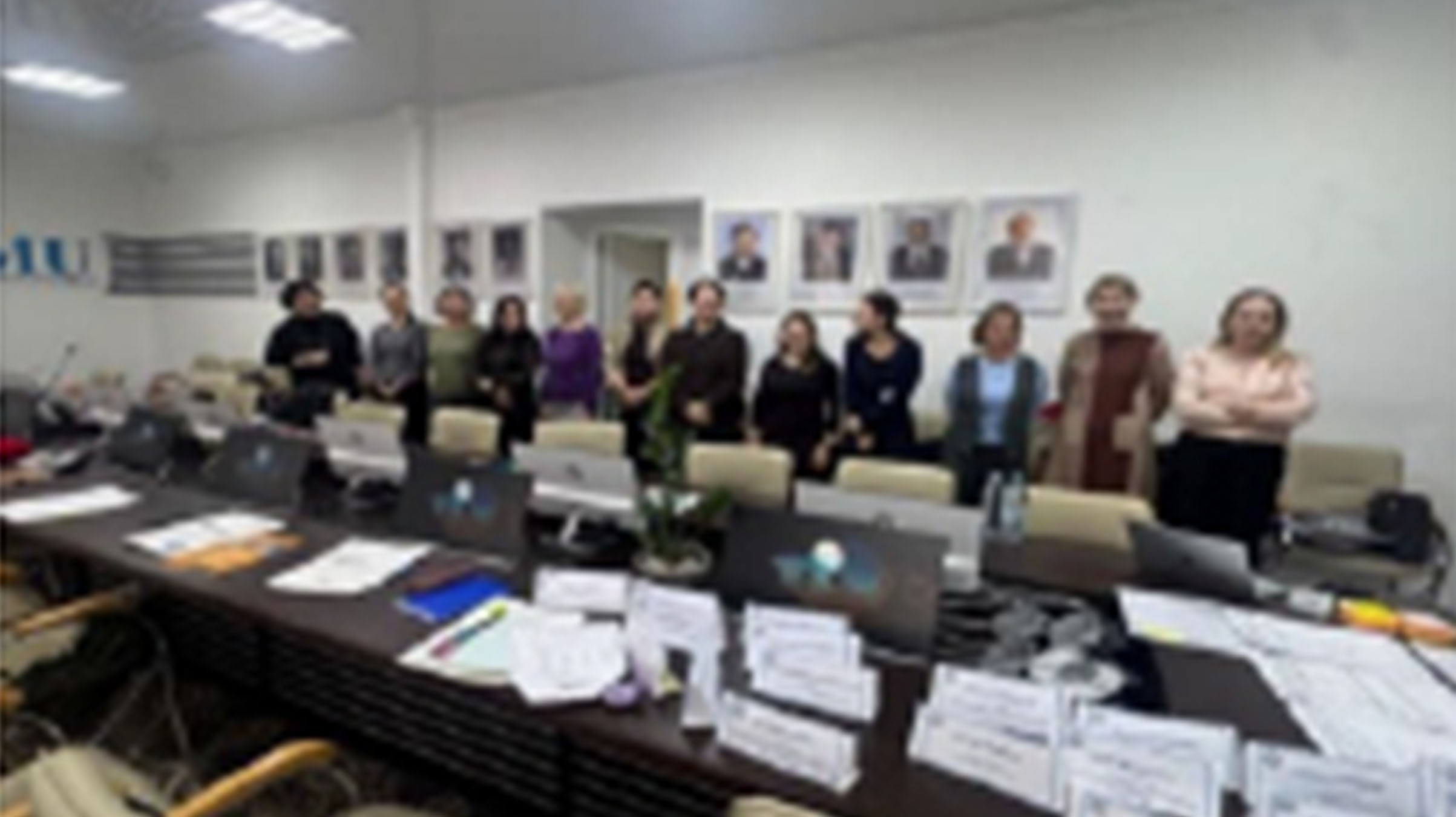
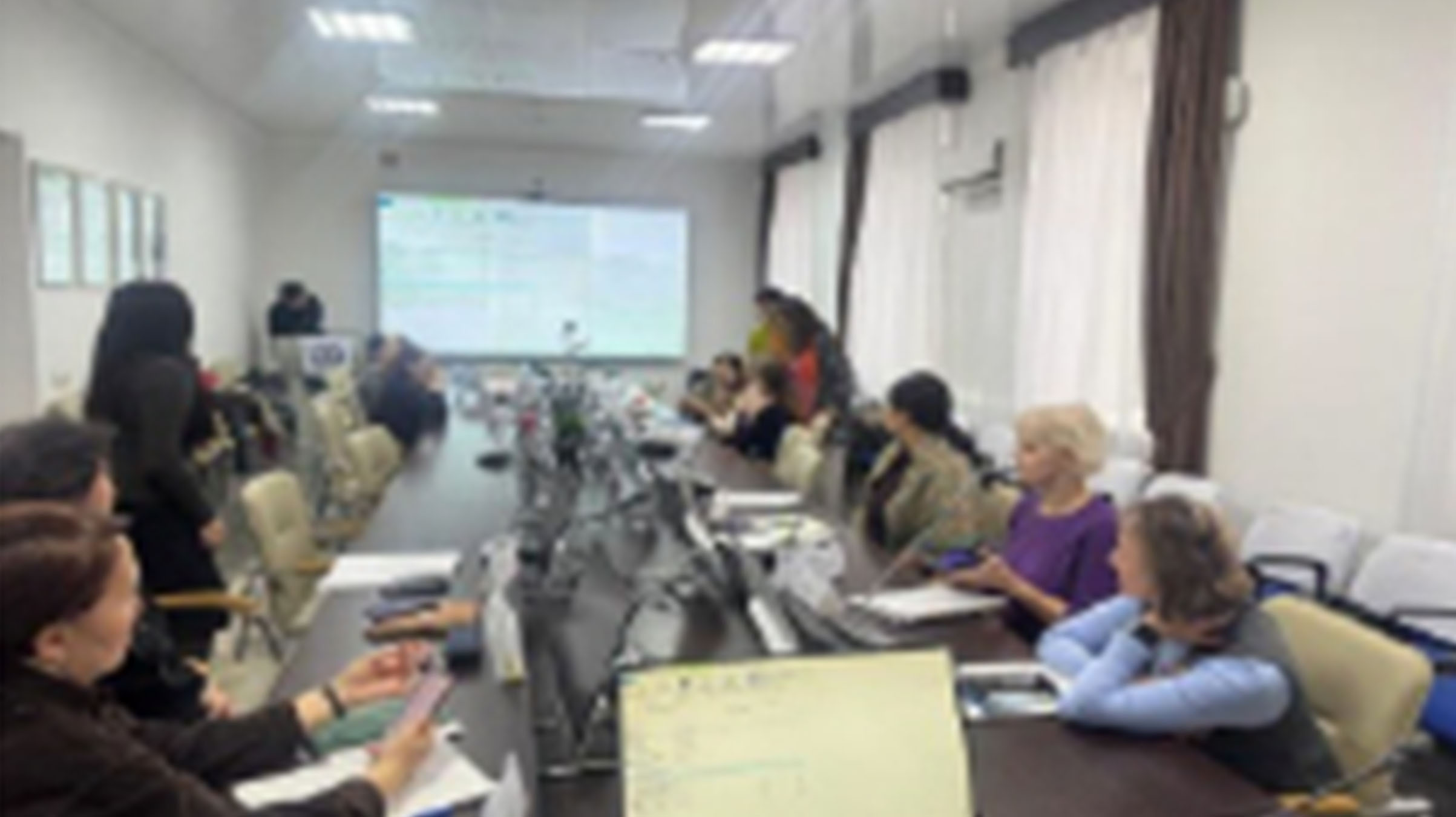
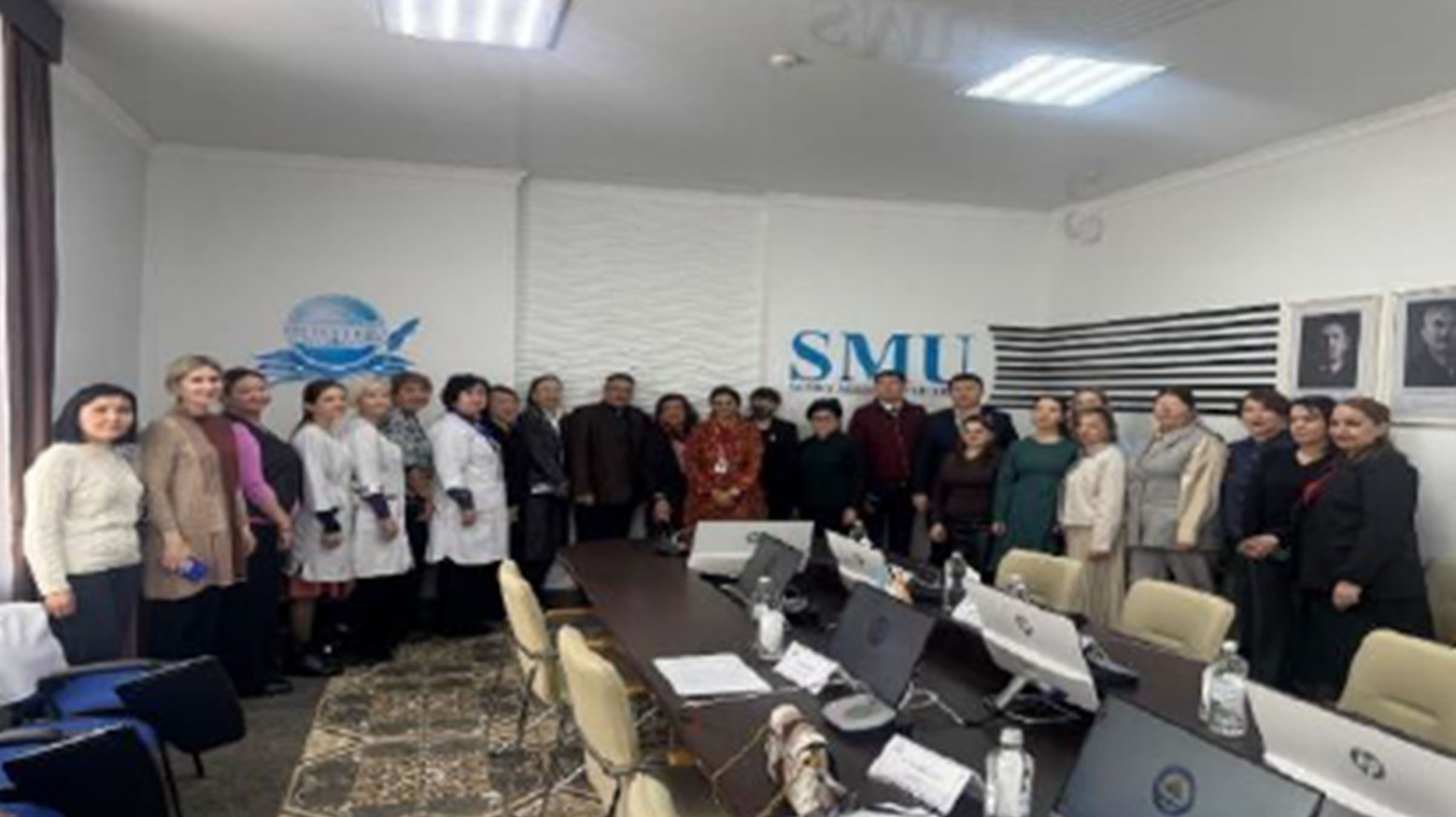
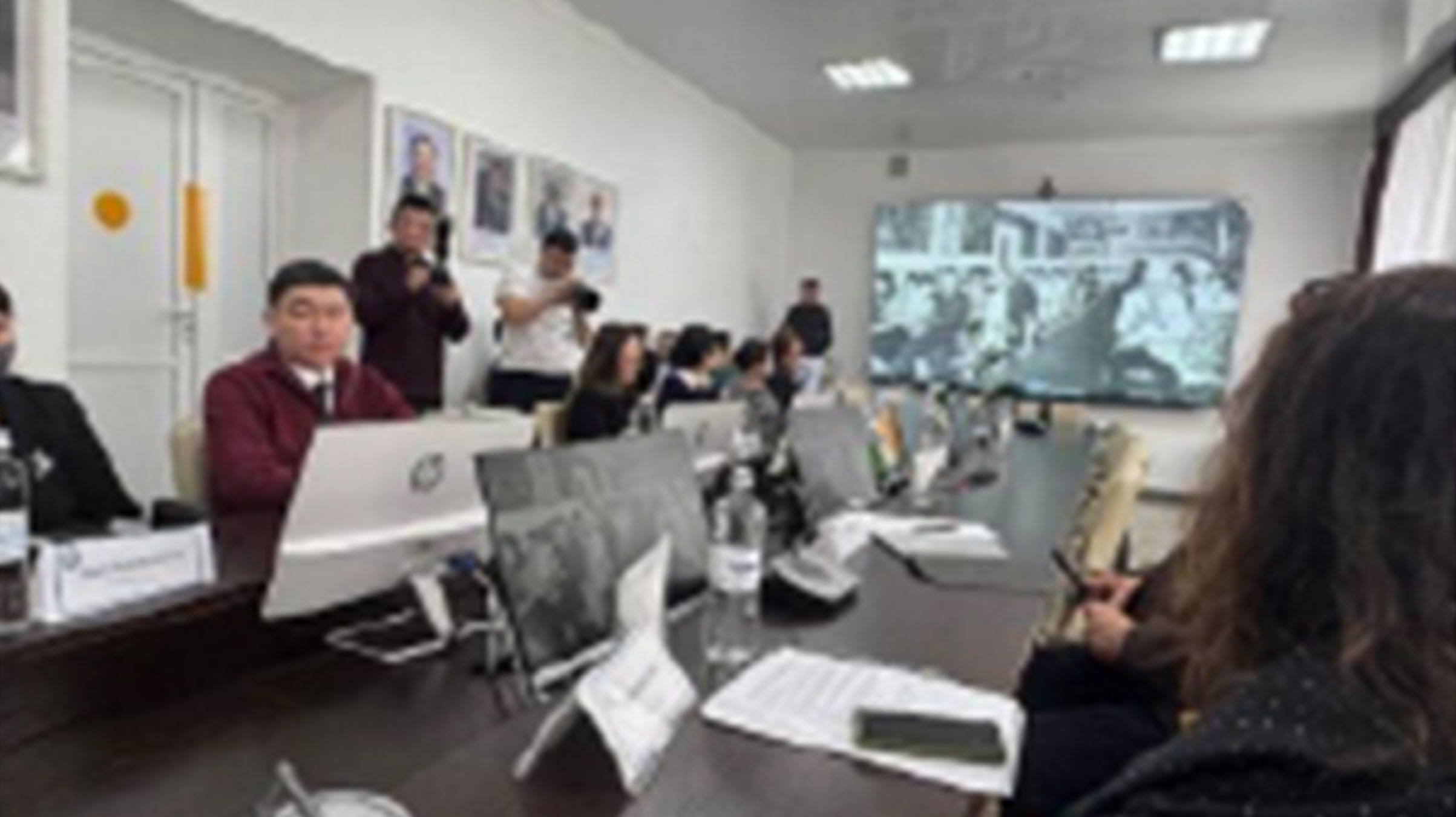
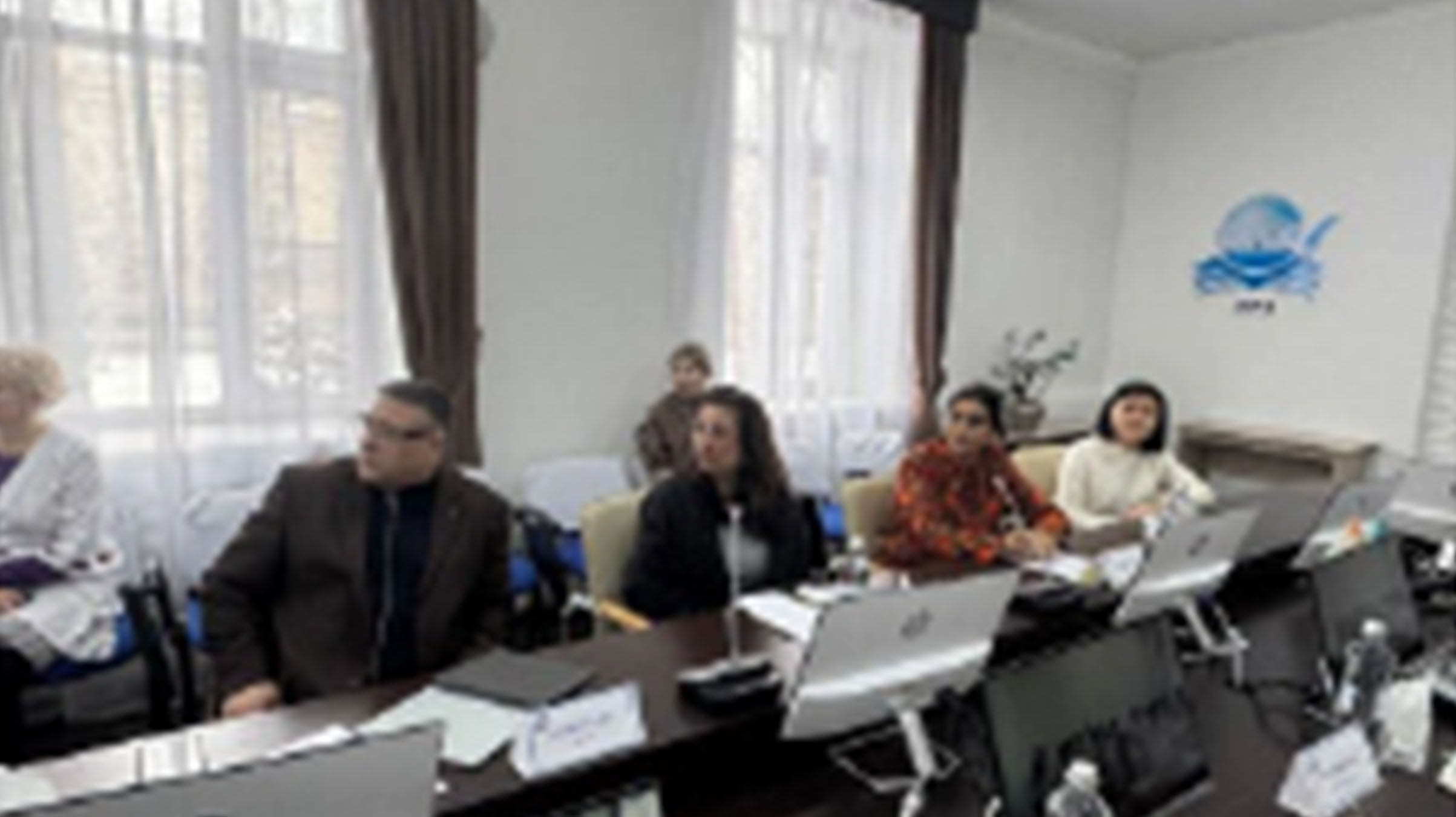
The Santosh-Semey International Teachers Training Program represents a significant milestone in the ongoing collaboration between Santosh Deemed to be University and Semey Medical University. This intensive program was designed with the core objectives of empowering educators through innovative teaching strategies, enhancing instructional and assessment skills, and cultivating a robust international network for future research and knowledge sharing. Over several days, 15 faculty members from Semey Medical University engaged in a comprehensive curriculum that blended pedagogical theory with real-world clinical application.
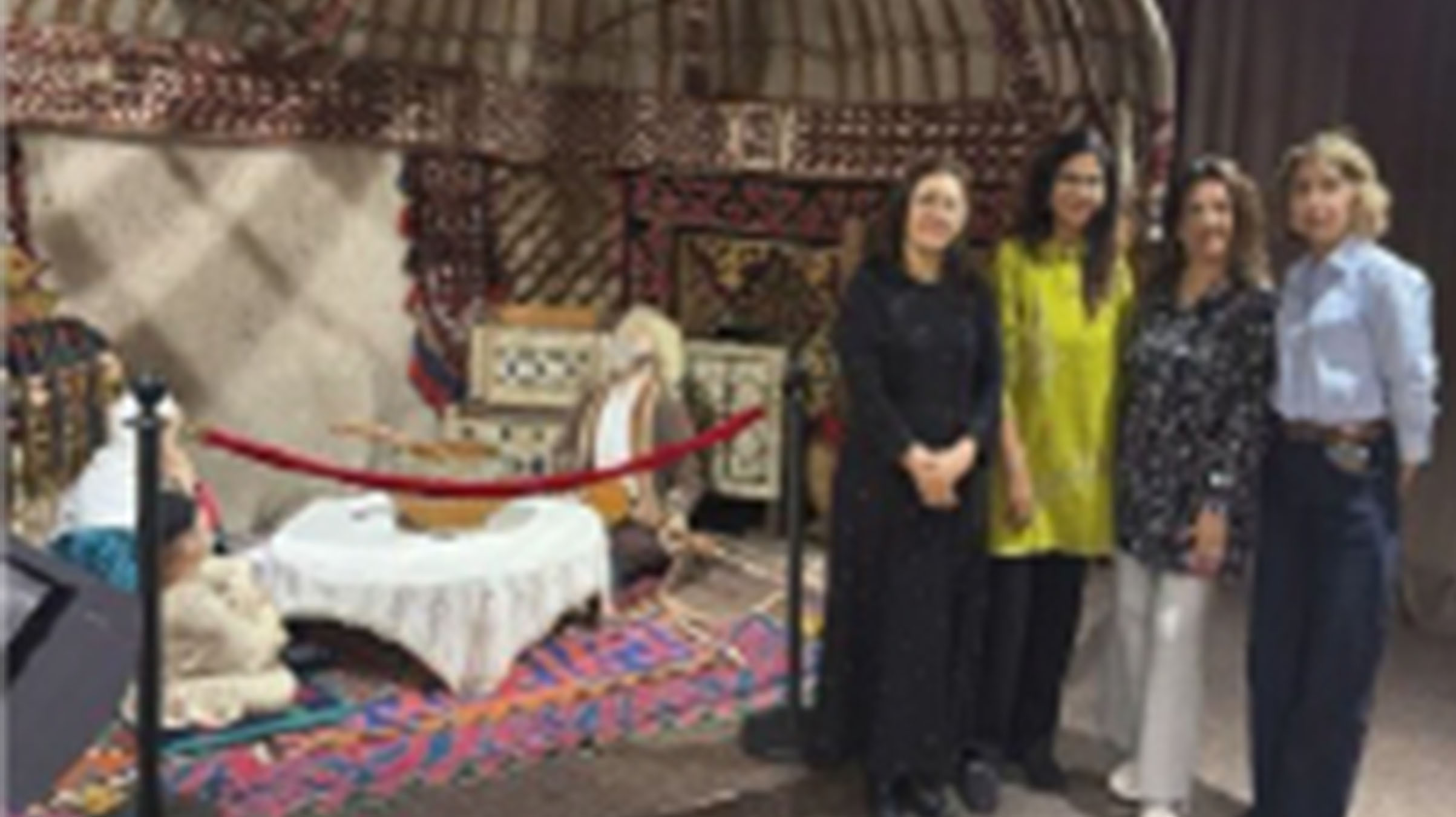
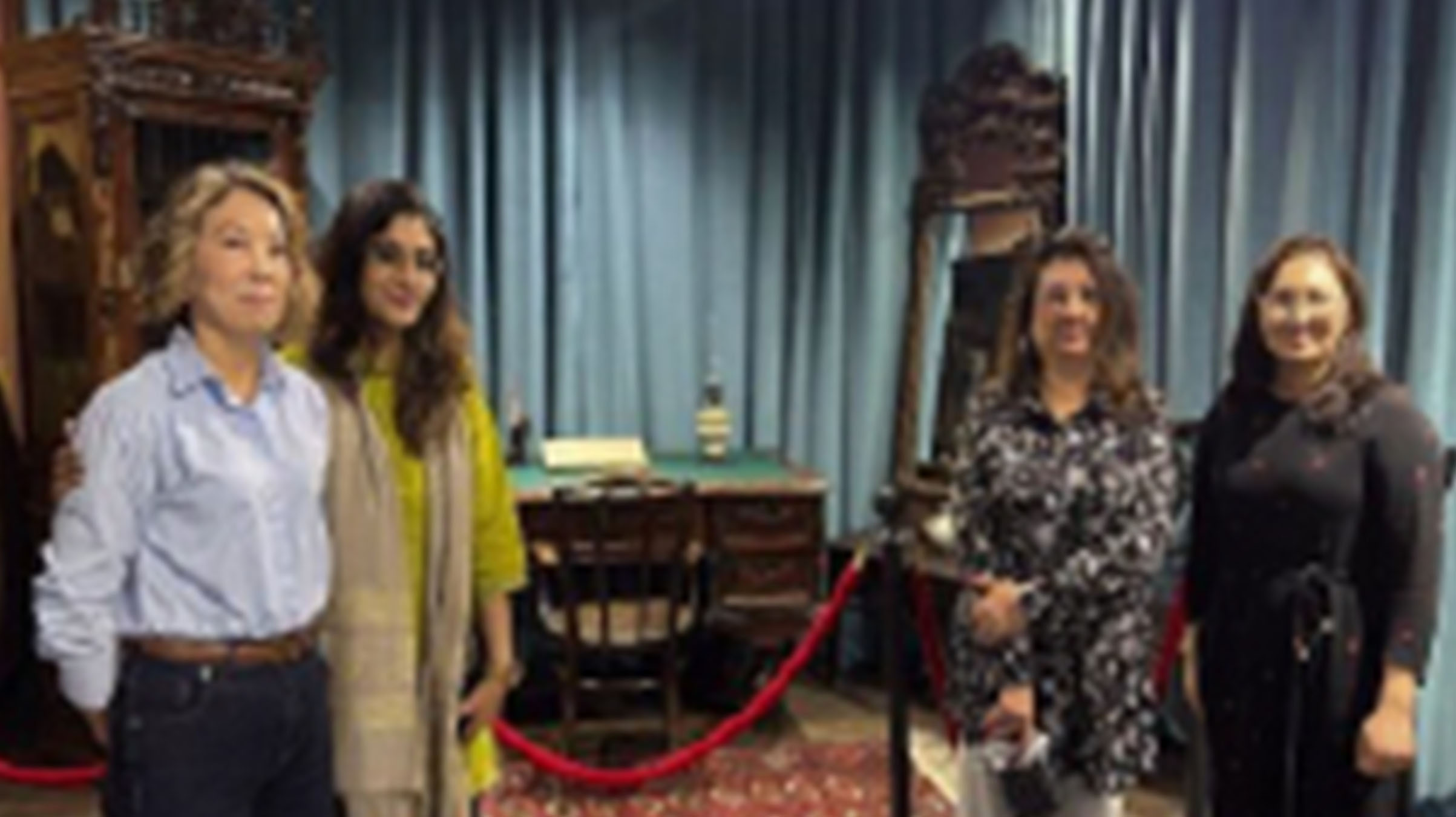
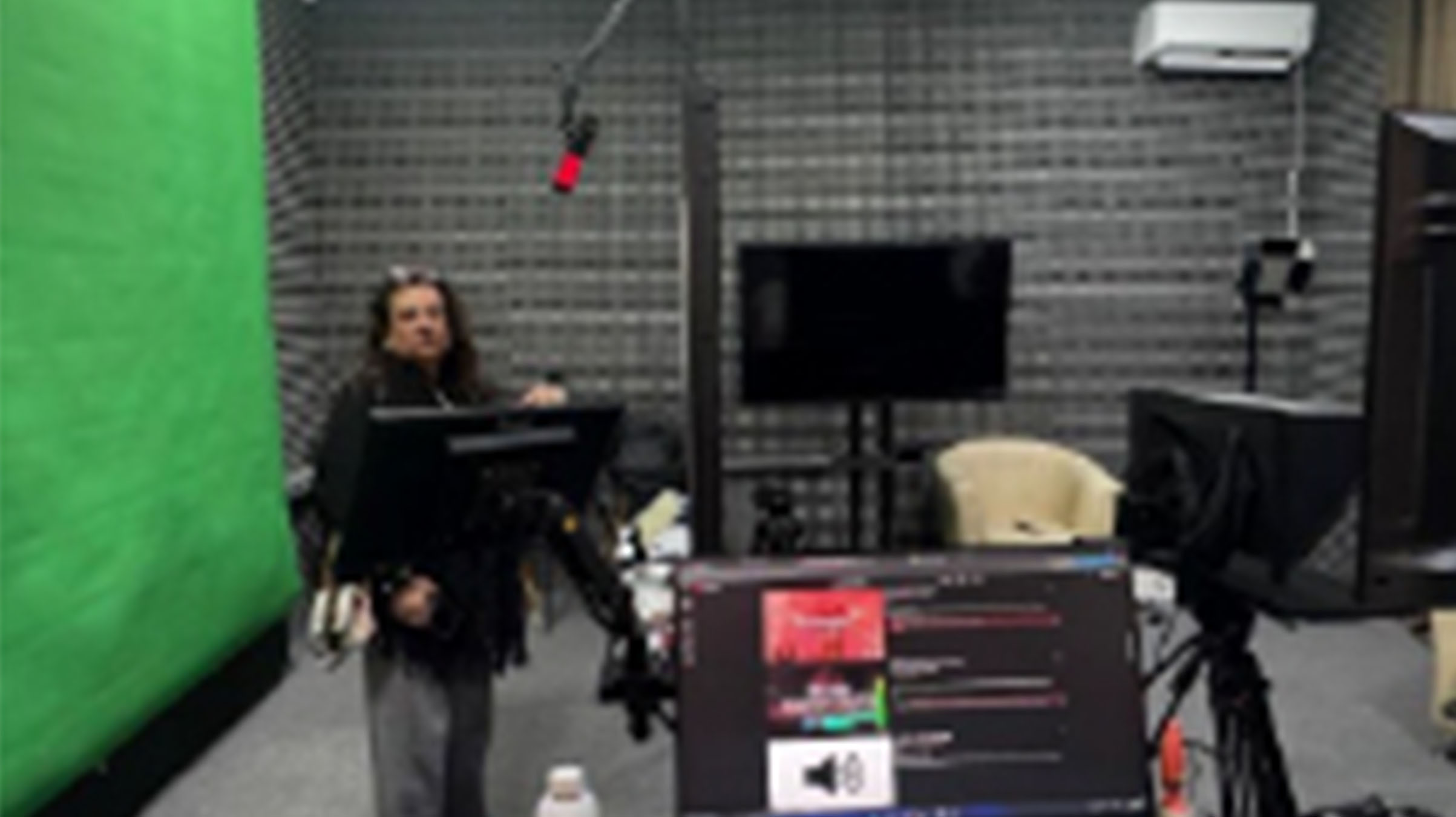
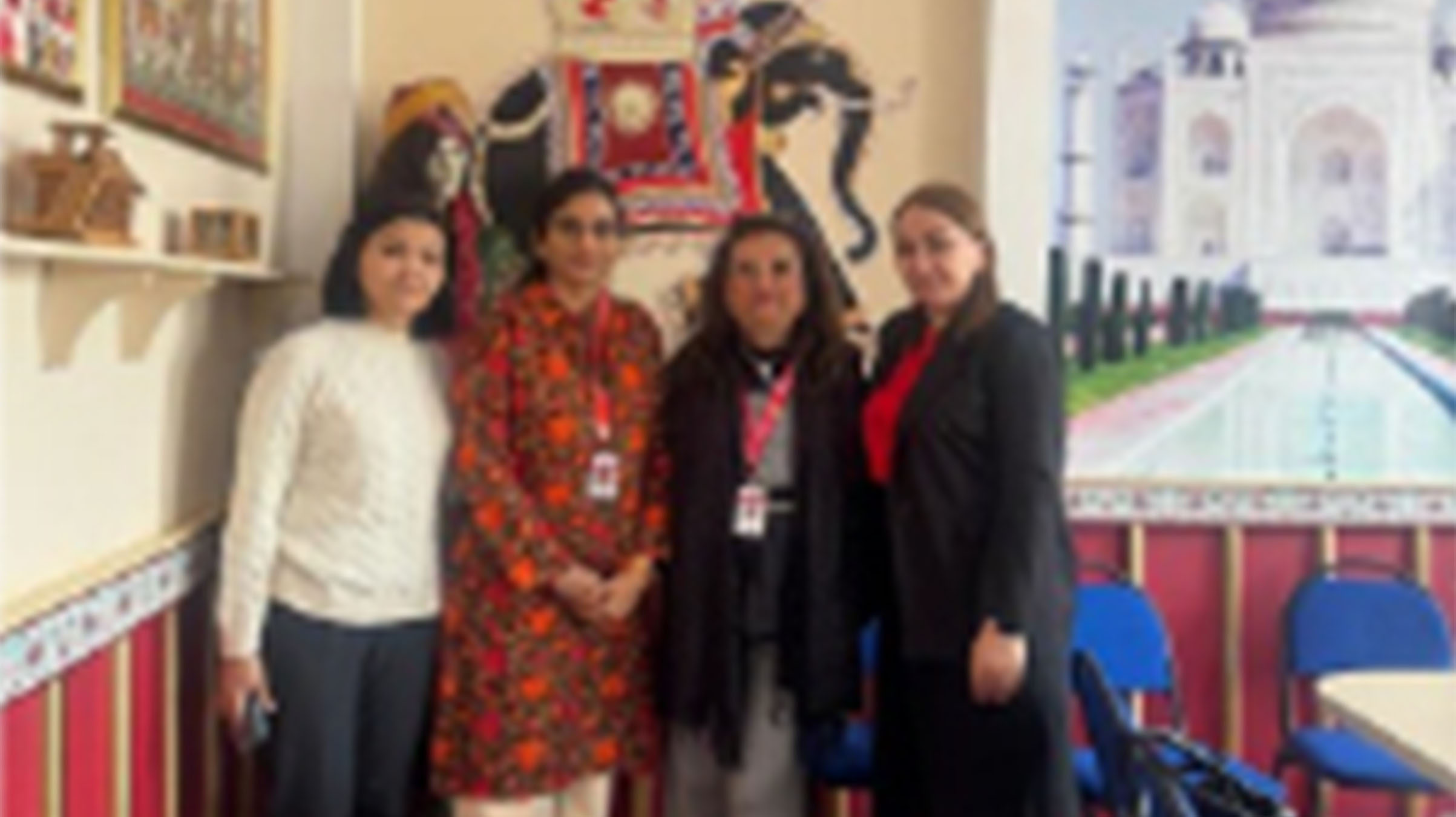
The event commenced with a formal inauguration featuring a welcome address by the Vice Rector of International Studies. Dr. Dakshina Bisht, Director IQAC, served as the primary facilitator, providing a roadmap for the training ahead, supported by co-facilitator Dr. Swati Yadav. Participants were immediately immersed in the university’s environment through a facility tour that included the University Historical Museum, the Podcast & Media Recording Room, and the Indian Study Room. This initial phase was crucial for building rapport and setting a highly positive tone for the week. The first day concluded with a collaborative learning session and a social dinner hosted by Dr. Alma and postgraduate students who had previously participated in training at Santosh University, strengthening both academic and cultural connections.
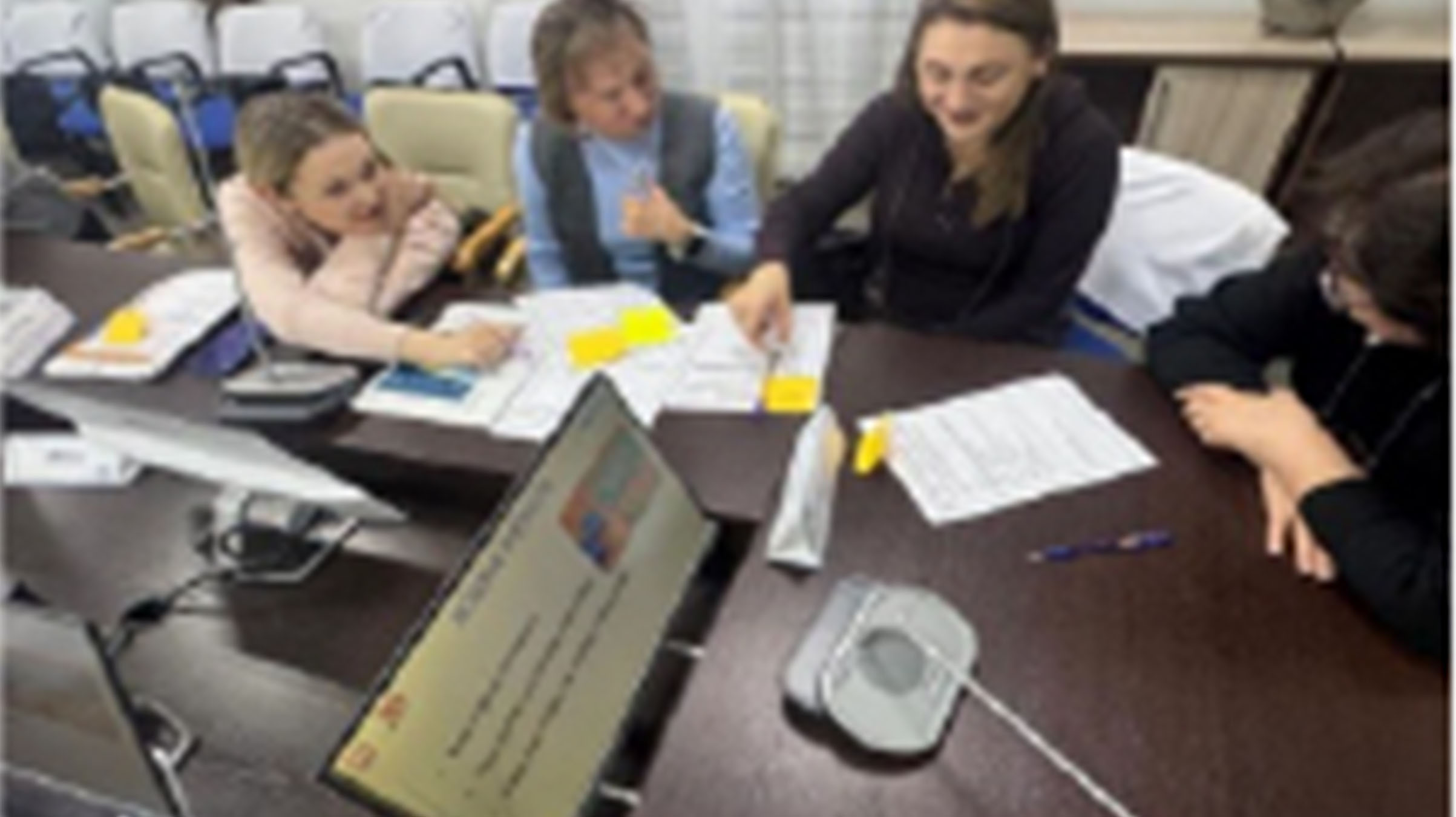
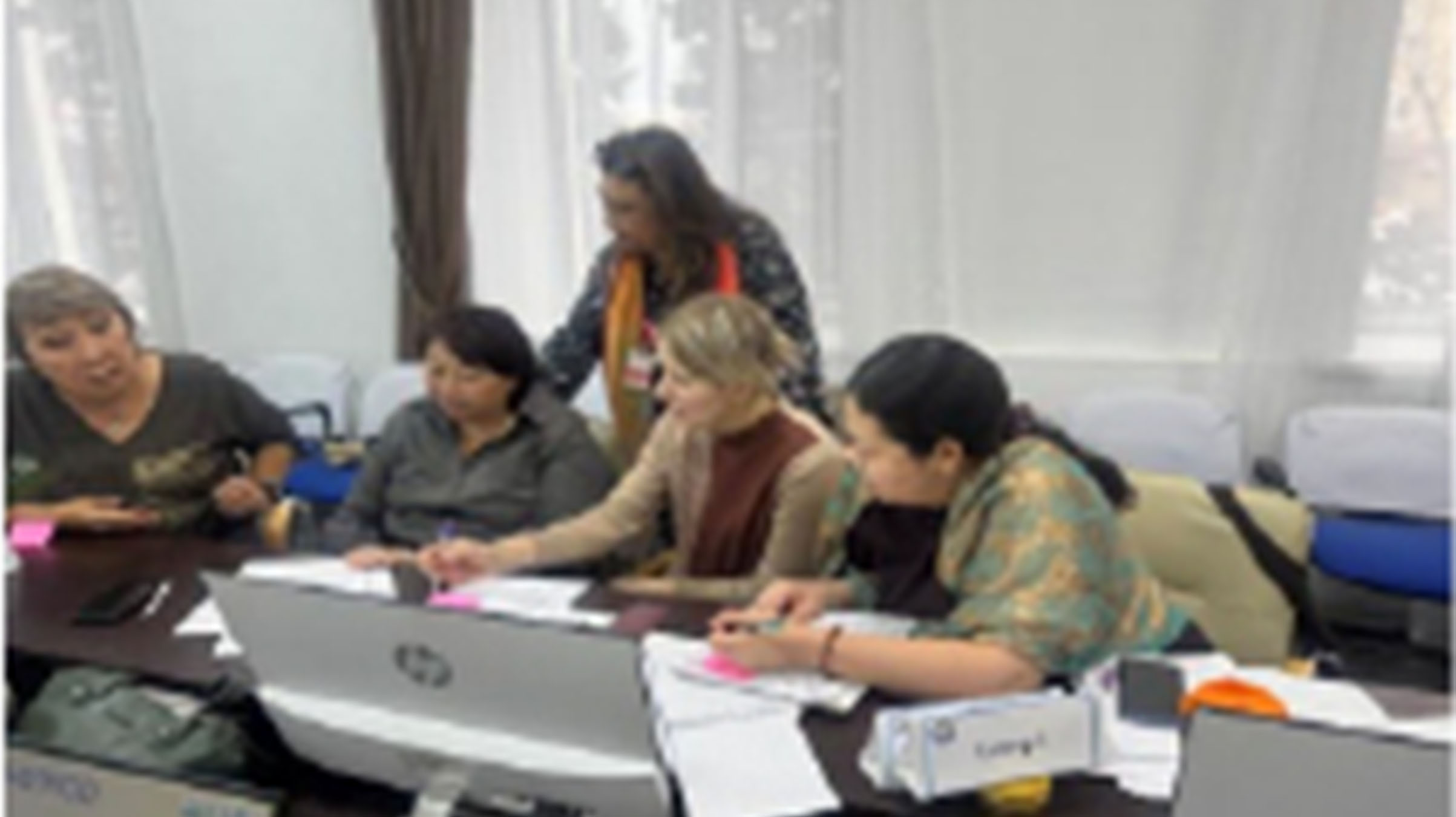
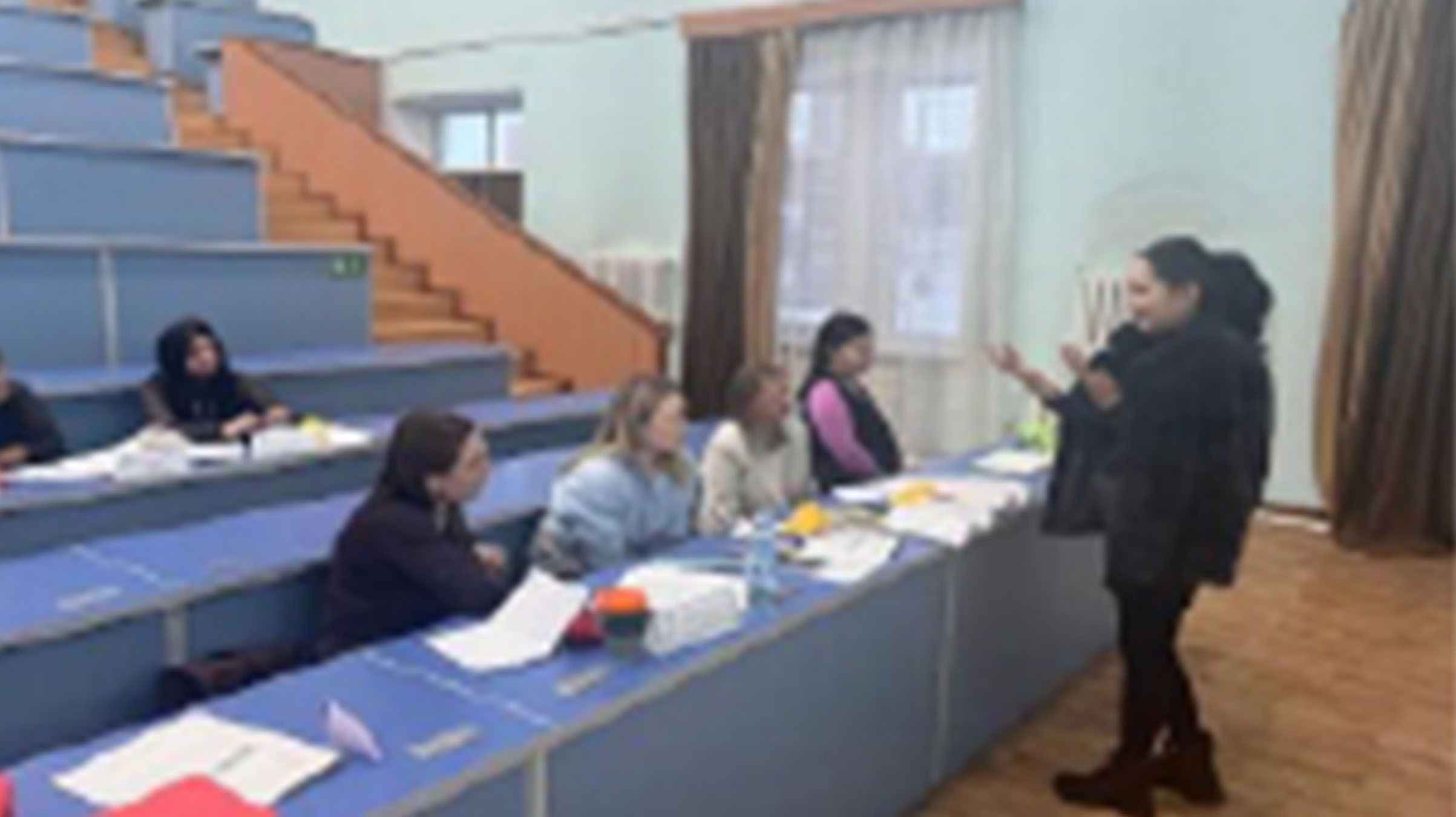
The second day focused on the evolution of teaching methods, beginning with a visit to the Abai Museum to provide participants with a deeper understanding of the local cultural heritage. The afternoon workshops shifted toward practical instructional strategies. Educators explored advanced technologies and active learning techniques, including jigsaw learning, the snowball technique, and the use of interactive platforms like Menti-meter. These sessions focused on sustaining student engagement through structured lesson planning and innovative ways to involve passive learners. Participants reported strong immediate learning gains, specifically noting the value of these interactive tools in their professional practice.
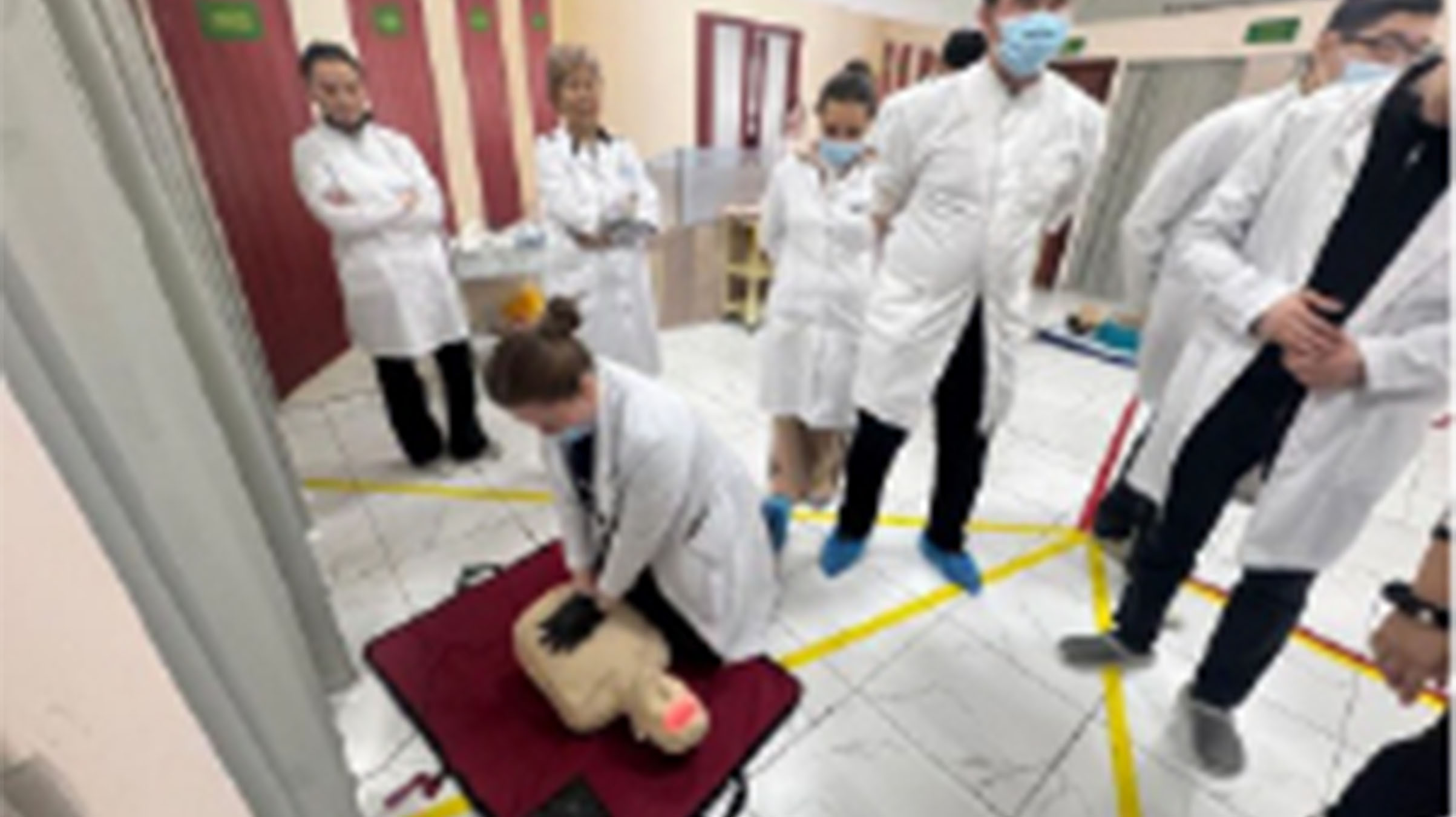
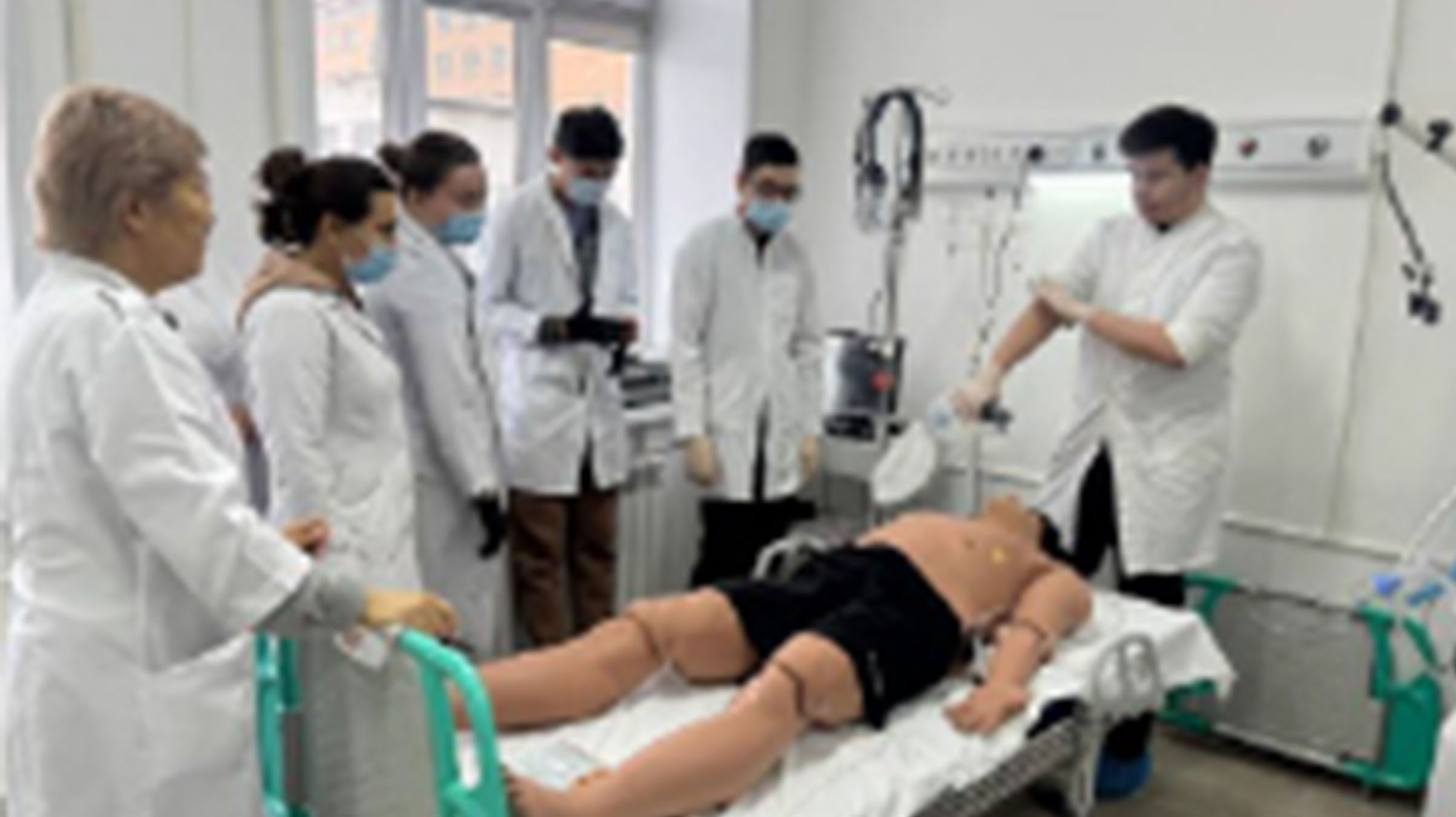
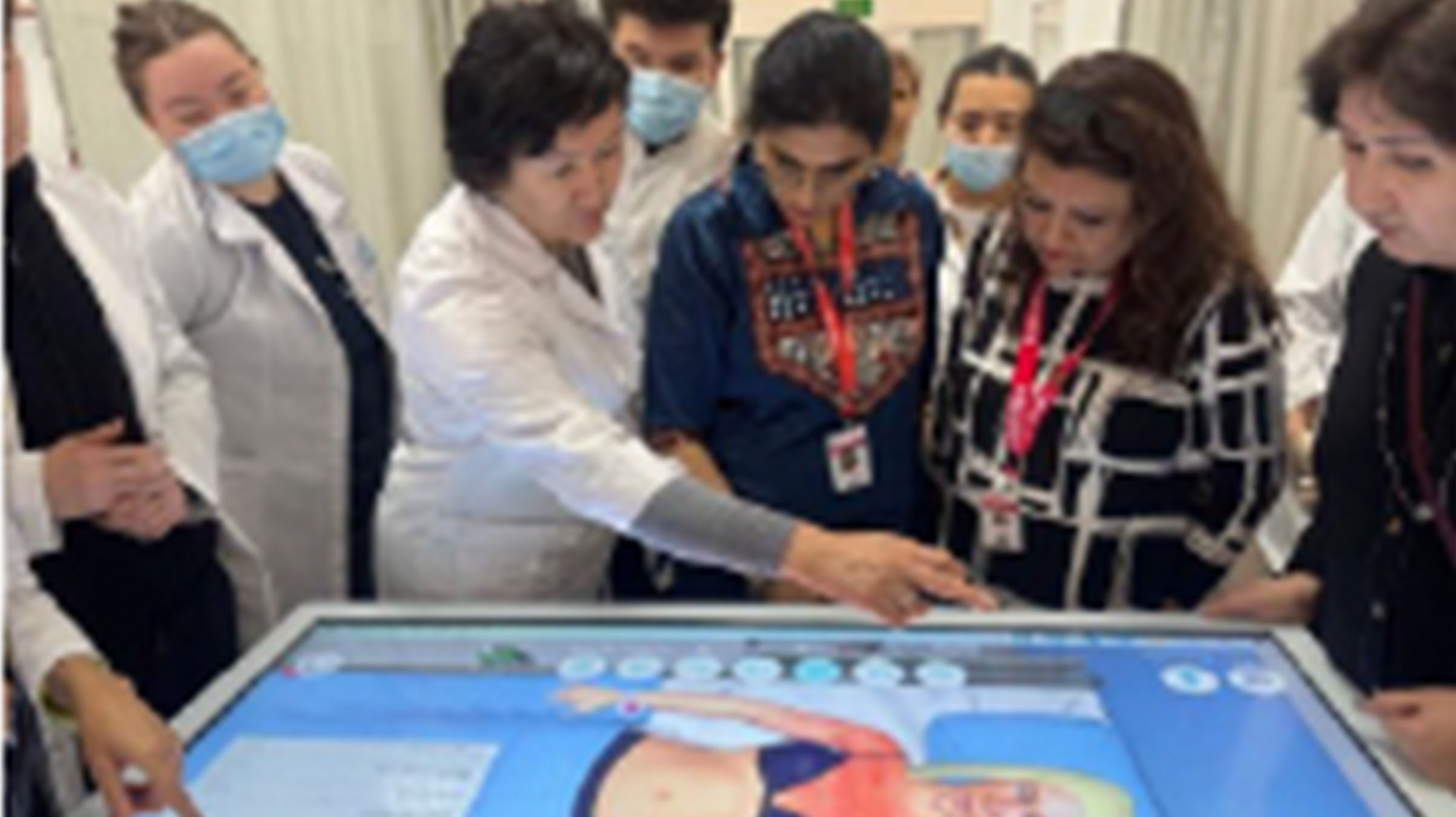
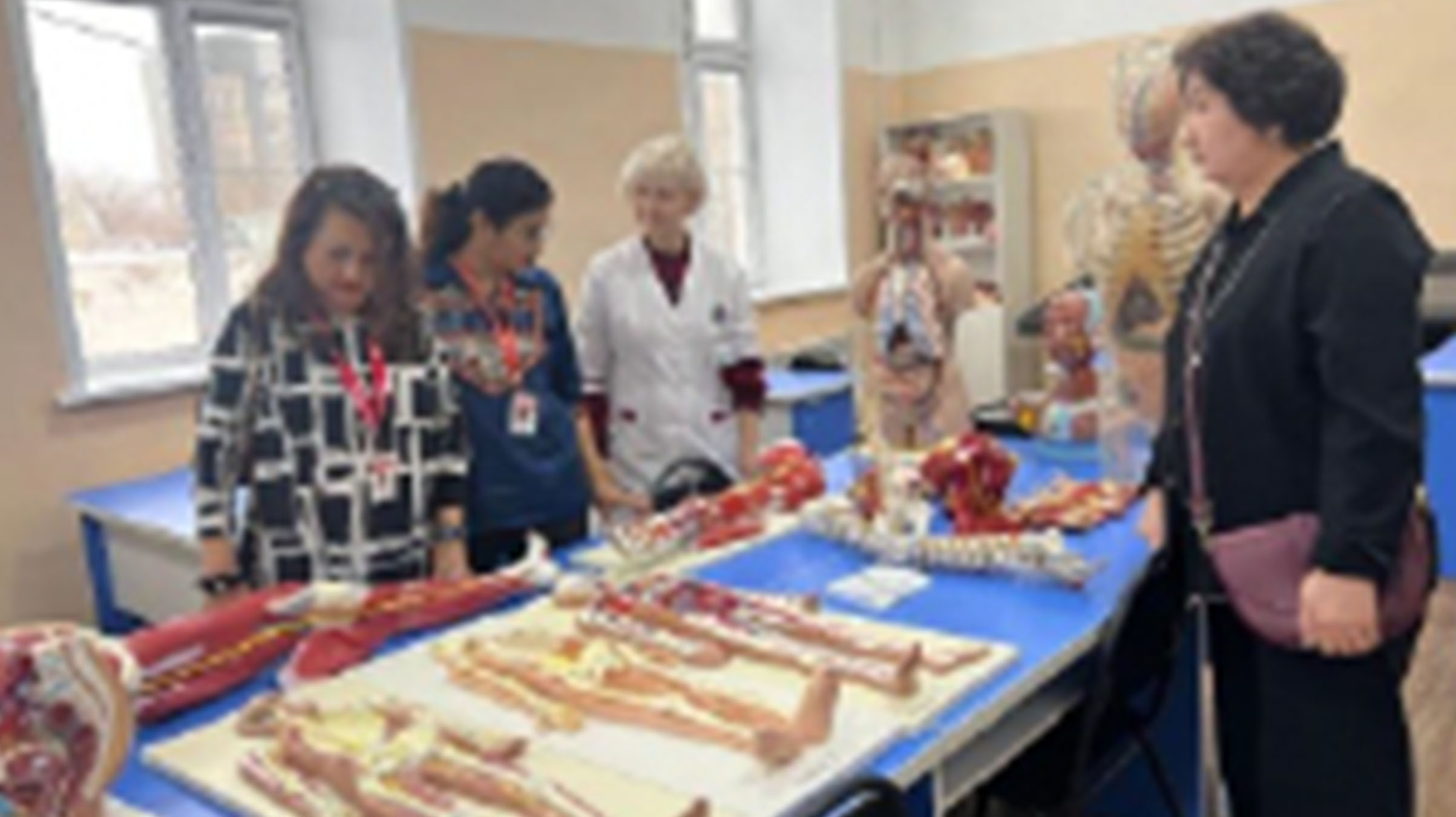
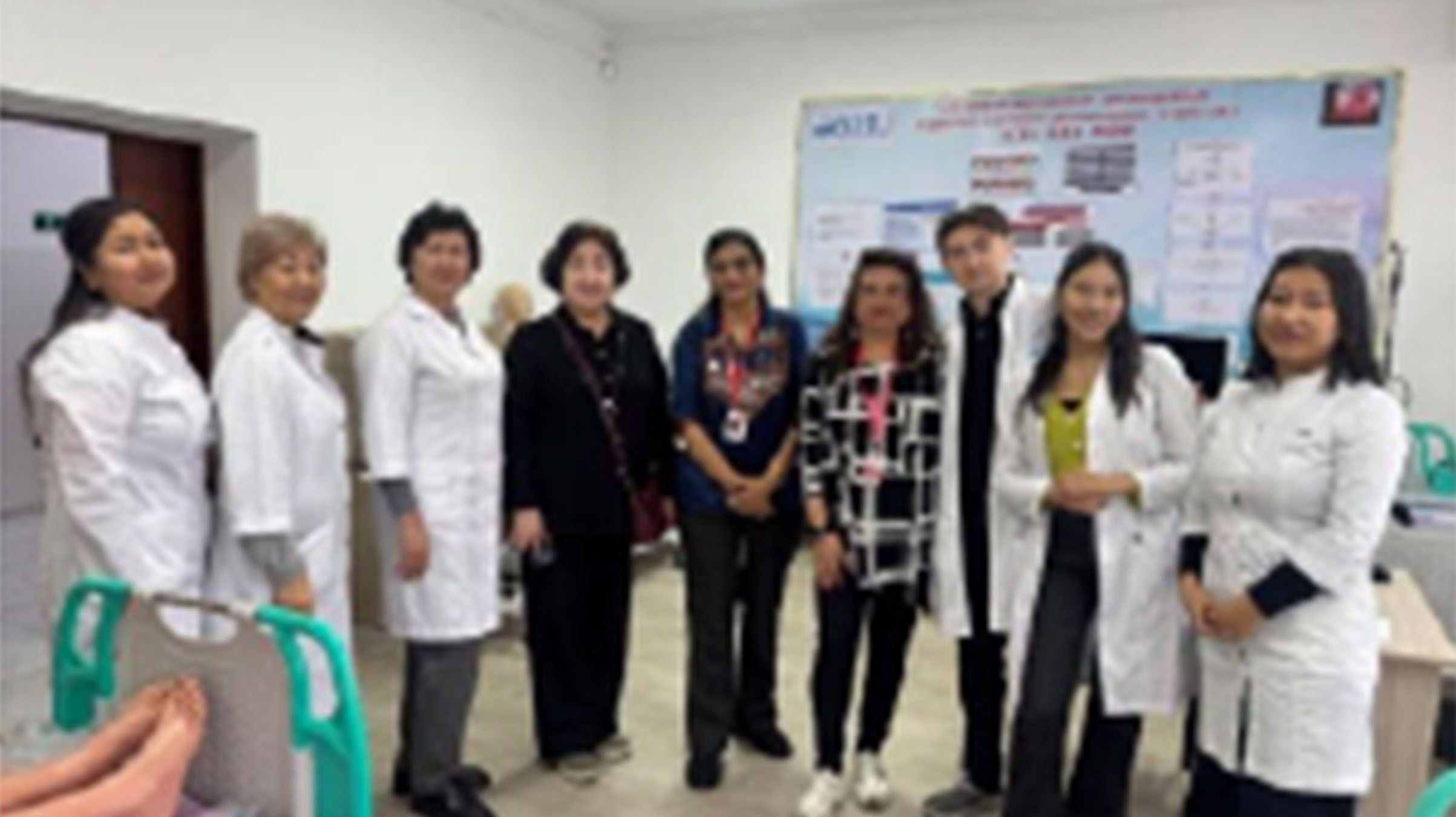
The third day integrated clinical science with professional development. A visit to the Anatomical Museum and the Simulation Centre showcased modern teaching methods using wet specimens and clinical case-based scenarios. Participants observed demonstrations of student competence in CPR and triage, highlighting the importance of simulation-based training for managing life-threatening situations. These practical observations were followed by afternoon sessions on medical professionalism, ethics, and communication, where role-play and interactive scenarios were used to address ethical dilemmas.
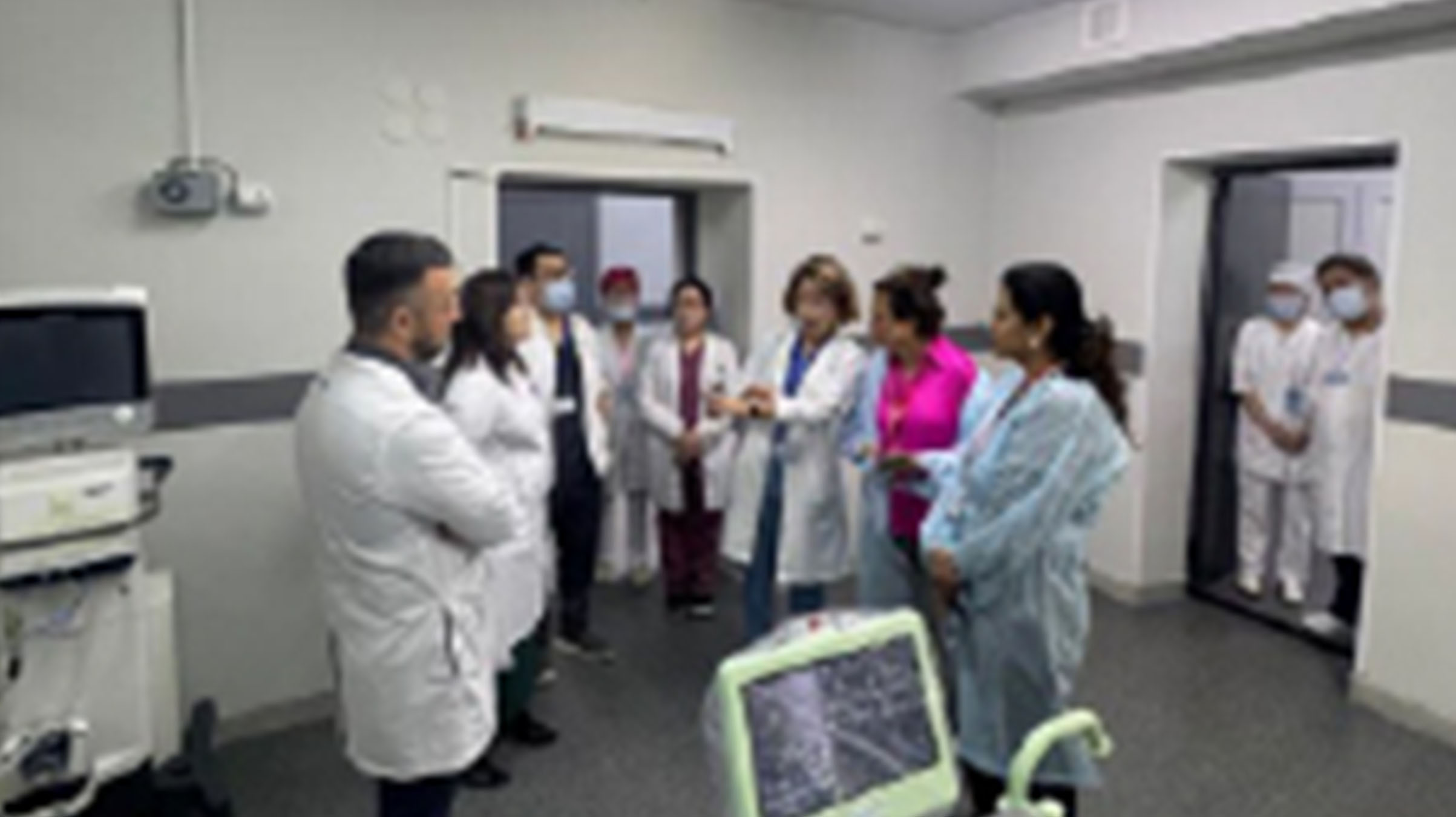
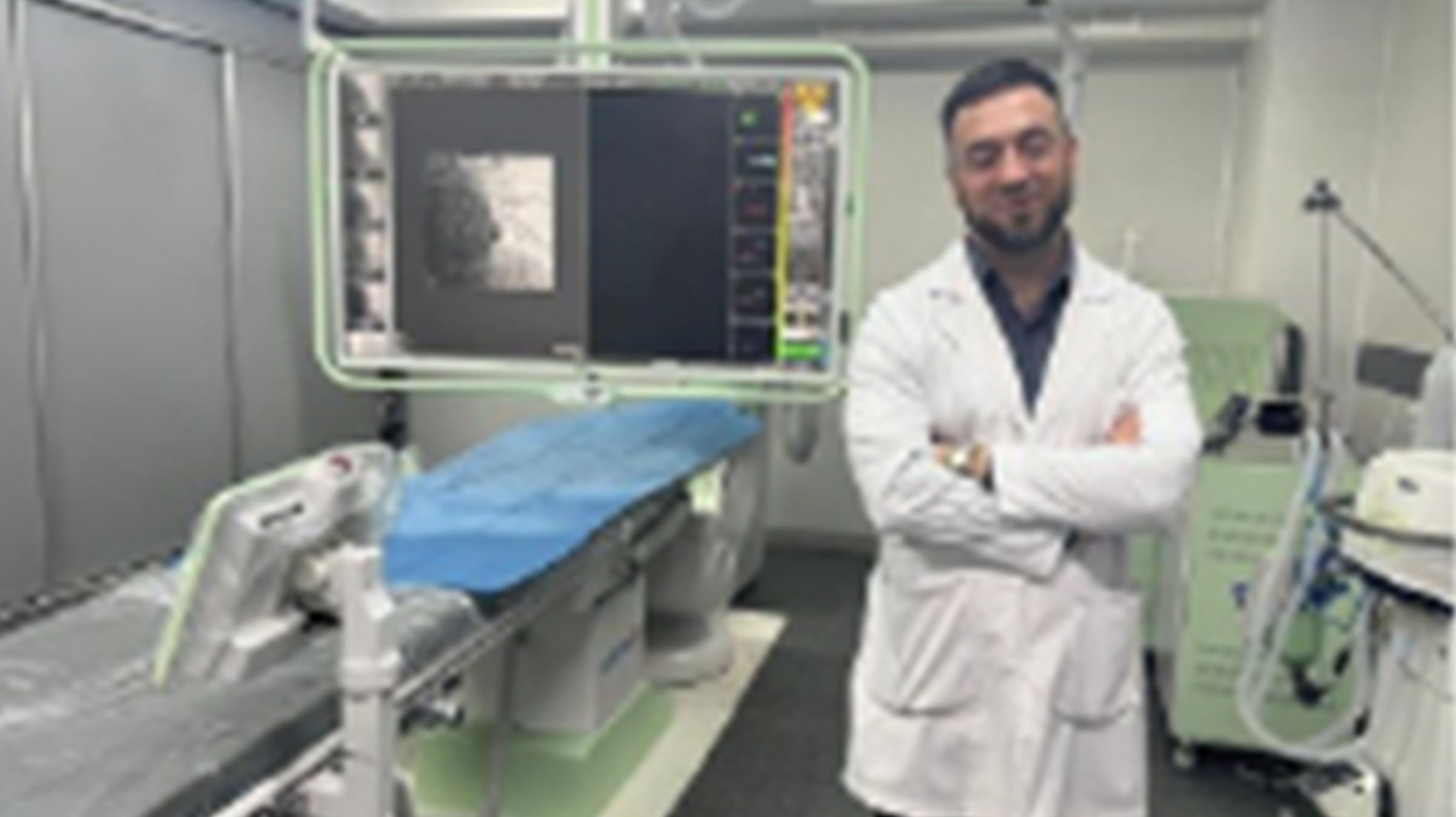
The fourth day brought the program into the heart of clinical practice with visits to the paediatric hospital, oncology and surgery units, and the Cath lab. Guided by senior hospital leadership, faculty members also observed an ongoing surgery in the OT and interacted with Indian students. The program then turned to the assessment of clinical and practical skills, introducing tools such as OSCE/OSPE and the Peyton/DOAP approaches. Participants felt these demonstrations and assessment methods were directly transferable to their own teaching practices.
The success of the Santosh-Semey visit was reflected in both qualitative feedback and quantitative data. Formal ratings were overwhelmingly "Excellent" across categories such as relevance, interaction, and usefulness. Furthermore, a pre-test and post-test analysis demonstrated a significant improvement in participant performance across the board. Educators repeatedly highlighted team-work techniques, Bloom’s taxonomy, and reflection as a teaching strategy as their most valuable learnings.
Looking forward, the program aims to incorporate participant suggestions for improvement, such as allocating more practical time for interactive methods and ensuring all content is accessible with translation options for the local language. By fostering this international exchange of ideas and contemporary skills, the Santosh-Semey International Teachers Training Program has successfully laid the foundation for a global network of educators committed to promoting excellence in medical education and research.